Annalisa Cherchi, CNR
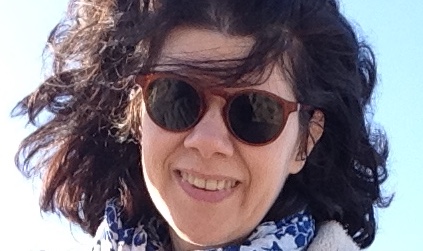
I got a PhD in Geophysics in 2004. My research activity is mostly focused on climate modelling applied to the variability and teleconnections in the tropics (i.e. monsoons and ENSO) and the teleconnections with mid-latitudes (i.e. the Mediterranean region). I contributed to the IPCC AR6 and grounding on that experience I started to consider differently my research as declined and of help to the society.
Role in OptimESM: Within OptimESM I contribute to CNR activities dedicated to improvements of the hydrological processes of EC-Earth specifically targeted to water-limited regions, like the Mediterranean Climate Regions of the world, and the potential consequences in future projections with increased temperature and likely increased dry conditions.
What motivates you to be part of OptimESM? I strongly believe that we need to improve state-of-the-art climate models particularly for all the processes that involve water and the interactions between the atmosphere and the land-surface. This is an area of research with a high potential to provide better and more reliable information to the society as projected in the future.
I hope OptimESM will succeed in providing an improved new generation of climate models particularly targeted to produce more reliable climate projections.
What particular perspective, skills or expertise do you bring to OptimESM? I bring in my expertise in climate modelling as well as my perspective of climate information targeted for society needs that I mostly developed during my experience as author of the IPCC AR6. This is particularly important for the expected changes in the water cycle and for the consequences in water resources in a warmer world more prone to extreme events (either wet and dry) that is foreseen.
What impact do you hope OptimESM will have, for science or society? I hope OptimESM will succeed in providing an improved new generation of climate models particularly targeted to produce more reliable climate projections. I’m optimistic that all the understanding and learning to reach that objective will allow important step towards a comprehensive scientific knowledge of the consequences of the ongoing and projected climate change that will be of help also for our society.
 English