Saloua Peatier, University of Reading/NCAS
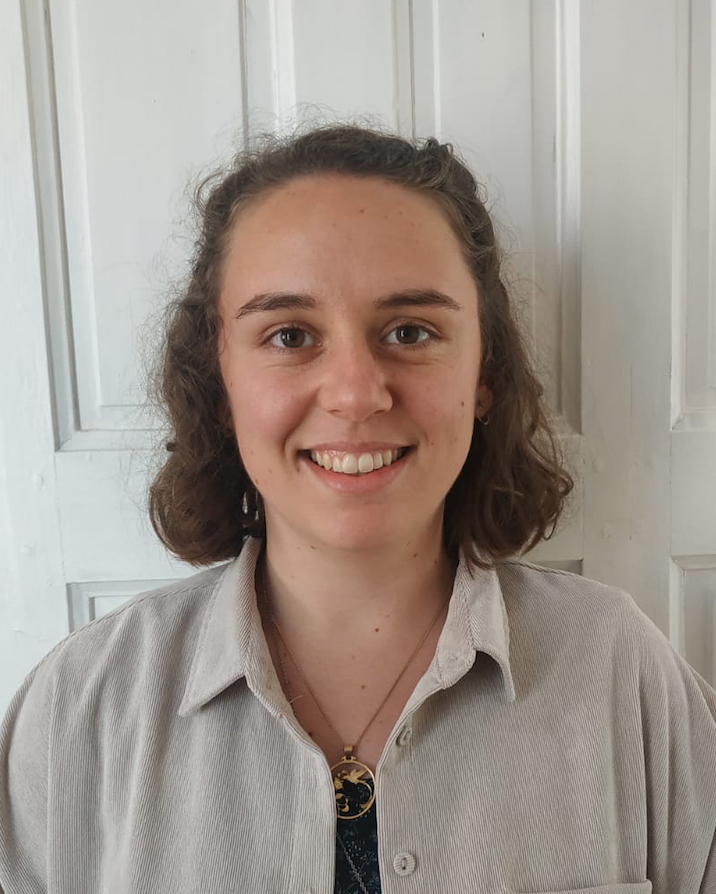
I am a postdoctoral researcher at the University of Reading, focusing on the impacts of overshoot scenarios on large-scale atmospheric circulation and regional climate. I am particularly interested in the drivers and potential reversibility of these regional changes, as well as the impacts of reaching an AMOC tipping point. Before joining Reading, I worked at CERFACS (Toulouse, France) as a PhD student and later as a postdoc within the ESM2025 project, investigating uncertainty in climate model calibration, with a particular emphasis on parametric uncertainty related to climate feedbacks.
Role in OptimESM: I am a postdoctoral researcher in WP6 of the OptimESM project. I analyse idealised climate simulations to investigate the regional consequences of reaching different warming levels and/or triggering abrupt climate changes.
What motivates you to be part of OptimESM? I am particularly motivated by working on research projects that support policy and societal needs, which is a core objective of OptimESM. By investigating climate change at different levels of global warming, OptimESM helps us understand the consequences of both successful and delayed mitigation strategies. Delayed mitigation could lead to global warming levels that trigger abrupt changes in the climate system—events that are uncertain and potentially high-impact for ecosystems and societies. Addressing these scenarios requires a coordinated, multi-model approach that no single institute could achieve alone. By fostering international collaboration, OptimESM provides an excellent framework to tackle this challenge. On a personal level, I see this as an ideal environment for a postdoctoral project. Collaborating with researchers from diverse fields encourages me to step back from my own work and consider climate change as the complex, multi-disciplinary challenge it truly is. This motivates me to contribute my skills while learning from others in a collaborative setting.
By investigating climate change at different levels of global warming, OptimESM helps us understand the consequences of both successful and delayed mitigation strategies.
By fostering international collaboration, OptimESM provides an excellent framework to tackle this challenge. On a personal level, I see this as an ideal environment for a postdoctoral project. Collaborating with researchers from diverse fields encourages me to step back from my own work and consider climate change as the complex, multi-disciplinary challenge it truly is. This motivates me to contribute my skills while learning from others in a collaborative setting.
 English